Constipation in Dogs -
Causes, Treatment And Vet Warning Signs
Constipation in dogs is not a common problem in healthy pets, so If your dog suddenly becomes constipated, don't panic - it may just be a mild attack which generally doesn't last more than a day or so. But, when it persists, the stools can become hard and dry, making it even more difficult for a dog to pass them.
 Image by Renato Laky
Prolonged constipation that lasts 48 hours, or any time there is any indication of pain or the dog is straining, is a cause for concern and a reason to contact the your veterinarian right away. When pain is evident, it's possible the pet may have a bowel obstruction and needs expert attention.
What is Dog Constipation?
Constipation means infrequent or difficulty in defecating. Forceful straining to pass dry hard feces are signs of constipation. There different reasons for this condition but there are also a variety of simple fixes if addressed promptly.
Symptoms of Constipation in Dogs
- Constipated dogs will show signs of straining while unsuccessfully trying to pass a stool. (Although this can also be a sign of a dog with diarrhea).
- A dog that has not passed a stool for a 24-28 hours is considered to be constipated. If you routinely pick up after your dog, the absence of stools will be noted!
- A state of low energy and a lack of appetite.
- Sometimes this condition will be accompanied by vomiting.
- On occasion there may be a passing of a watery or bloody material.
Causes and Risk Factors of Constipation in Dogs
- Dehydration is a fairly common cause for constipation and if so, adding some water to the dog's food is a simple solution - especially if on a dry food regimen.
- Lack of sufficient exercise is sometimes the reason a pet becomes constipated. Most dogs need at least two walks a day of sufficient duration for their breed. (Visit our dog breed page to look up your dog's exercise needs) Exercise aids in keeping a dog's tummy muscles strong which in turn helps to keep everything moving along nicely inside the digestive tract.
- Older dogs that can't get as much exercise due to stiff joints or other health issues may need more supplemental treatment.
- Long hours of confinement while the family members are at work may cause the pet to form the habit of holding on until someone comes home. Combined with a reduced amount of exercise, the stage is set for a constipation.
- Eating indigestible or foreign materials: bone chips, hair, grass, paper etc., is a well-recognized cause when pets are struggling to defecate. Or, have there been any abrupt changes to the dog's diet, or new treats, that could be a contributing factor.
Treatment Options
If your dog is getting sufficient exercise and has plenty of opportunity to get outside when he has an urge to eliminate, then you might want to try one of the following:
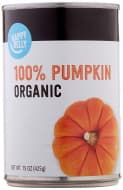 Organic Pumpkin Organic Pumpkin |
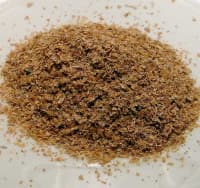 Wheat Bran Wheat Bran |
 Olive Oil Olive Oil |
- Adding a little olive oil to his food for a few days. The amount depends on the size of your dog, but a 1/2 to 1 teaspoon would be a starting point. If the situation normalizes, you can discontinue the oil. If it doesn't help, then consult with a veterinarian.
- Adding more fiber to his food. Depending on the size of your dog, a little bit of bran will help the stools retain more moisture and as a result be easier to pass.
- Another choice is ground flax seed which has the added benefit of improving overall health as well as arthritic joint problems by supplying necessary omega fatty acids. In either case, check with your vet for recommended amounts to give your pet.
Amounts: As a general rule, the approximate amount of bran for pets each day would be in the range of 1/2 teaspoon up to 1 tablespoon of bran a day.
And for the ground flax seed amounts:
Other good choices of fiber to add into your dog's food are lightly
cooked vegetables and canned pumpkin with no additives or sugar.
Any of these remedies need a little time to work, but also don't forget to check with your vet because he knows your dogs complete
health profile and needs.
A Constipated Dog Needs Sufficient Hydration
When your dog is suffering from a bout of constipation it is also very
important that he is drinking sufficient water especially when adding fiber
to his food.
To encourage him to drink enough, make the water more appealing by
refreshing it often. If he is still showing reluctance about taking fluids, you can
try to entice him with some milk.
While milk isn't usually on a dog's diet, it often acts as a laxative and may in the short
term cause him to have loose stools - putting an end to the constipation!
Preventing Constipation In Dogs
- Nothing could be more helpful to a dog's overall health and immune system than a
natural diet containing a proper balance of proteins, fats and carbohydrates.
This will go a long way toward preventing constipation in your pet. So if your dog is not thriving on his present diet, review some better options with your vet's approval.
Sadly, many pet illnesses and constipated dog problems are caused by low grade commercial pet foods containing very little in the way of food value, made-up-for by adding worthless fillers and a host of dangerous toxic substances, additives, preservatives, dyes and the like.
- Next to diet, exercise is vitally important to all areas of a dog's health. Exercise
keeps the muscles toned, provides cardiovascular benefits, helps the body
to flush out toxins and keeps the digestive system operating smoothly which
in turn leads to easier and more regular evacuation of the bowels.
Older dogs that don't get as much exercise may need more help from dietary fiber, or get relief from acupressure or another holistic approach using crystals to balance internal energy.
- To summarize, a healthy natural diet combined with sufficient regular exercise, is the best
way to help you pet avoid being constipated. Get these two things right and your dog will thank you.
Whenever your dog is experiencing discomfort or a health issue and you are worrying about it, the best thing you can do is have a consult with your vet to put your mind at ease.
Veterinary & Medical Sources
The
information on this page is based on research from trusted veterinary
and animal health authorities and is written for general educational
purposes.
Content was
developed using guidance from veterinary teaching institutions, animal
welfare organizations, and established veterinary reference manuals, some of which may include:
– University of California, Davis School of Veterinary Medicine
– Oklahoma State University College of Veterinary Medicine
– ASPCA
– Merck Veterinary Manual
– Merck Animal Health (USA)
This
content is not intended to replace professional veterinary diagnosis or
treatment. Always consult your veterinarian with questions or concerns
about your dog’s health.
Before You Go...
If you like the content of this page, as well as others on my site, please give it some love by clicking on the heart in the lower right hand corner. This helps me keep providing enjoyable and useful content.
Thank you.
Health Related Pages
- Home
- Dog Diseases
- Constipation in Dogs

Rated 'Excellent'
on Trustpilot

Link To Us
... here if you like the content at Dog Spoiling and think it would be valuable to others 😊