AKC Dog Breeds: Find Your Perfect Breed
The American Kennel Club recognizes hundreds of purebred dog breeds, each with its own history, appearance, temperament and purpose. Use the breed finder below to explore AKC breeds by name or dog group, then follow the links to learn more about the breeds that interest you.
Search the AKC Breeds
Here is a handy drop-down menu you can use to help you find any AKC breed or dog group you may want to explore.
Classification of AKC Breeds
The AKC organizes recognized breeds into seven Groups, each highlighting the skills and characteristics these dogs were developed for: Sporting, Hound, Working, Terrier, Toy, Non-Sporting and Herding. There is also a Miscellaneous Class for breeds working toward full recognition.
Purebred dogs are defined by consistent traits, achieved by mating two purebred dogs of the same breed. While the AKC currently recognizes 205 breeds, many hopefuls await full status, making the dog world an ever-evolving landscape.
If you're curious about a particular group, be sure to explore our in-depth pages on each AKC dog group for more details about their history, purpose, and standout characteristics.
There are more than 340 dog breeds known around the world, and kennel clubs in different countries may have their own breed classifications and recognition systems.
Quick Guide to the AKC Dog Groups
 |
Sporting Group: Energetic and alert, these dogs were developed to help hunters locate, flush or retrieve game. Explore the Sporting Group to learn about the breeds, their original jobs and what they're like as companions. Learn more about the Sporting Group ➔ |
 |
Hound Group: Built for tracking and chasing, hounds rely on scent or sight to follow trails. Breeds such as the Bloodhound and Afghan Hound showcase incredible endurance. Discover the Hound Group ➔ |
 |
Working Group: Strong and reliable, these breeds excel at guarding, pulling, and rescuing. The Doberman Pinscher and Alaskan Malamute are just two stars of this group. Explore the Working Group ➔ |
 |
Terrier Group: These scrappy, determined breeds were created to hunt vermin. The West Highland White Terrier and Airedale Terrier are lively examples. Meet the Terrier Group ➔ |
 |
Toy Group: Small but mighty in spirit, Toy Group dogs like the Pekingese and Poodle were bred mainly for companionship. See the Toy Group ➔ |
 |
Non-Sporting Group: A diverse group with no single unifying trait, featuring breeds like the Chow Chow and Boston Terrier. Check out the Non-Sporting Group ➔ |
 |
Herding Group: |
 |
Miscellaneous Class: This is the AKC’s transitional group for breeds working toward full recognition. Find out more about the Miscellaneous Class ➔ |
Dog Sizes: Which AKC Breeds Fit Where?
 Small Breed Small Breed |
 Medium Size Breed Medium Size Breed |
 Large Breed Large Breed |
Smallest Dog Breeds:
These little charmers
typically weigh under 15 pounds. Examples include the Chihuahua,
Miniature Pinscher, and Toy Fox
Terrier—perfect lap dogs with big personalities.
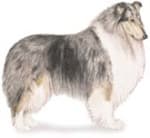
Medium Dog Breeds:
Medium-sized breeds, around
30–60 pounds, strike a great balance of energy and manageability.
Popular choices are the Standard Poodle, Brittany,
and Whippet.
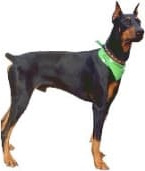
Largest Dog Breeds:
If you're drawn to gentle
giants, look no further than the Great Dane,
Mastiff, and Saint Bernard, all of
which can tip the scales at 100 pounds or more.
History
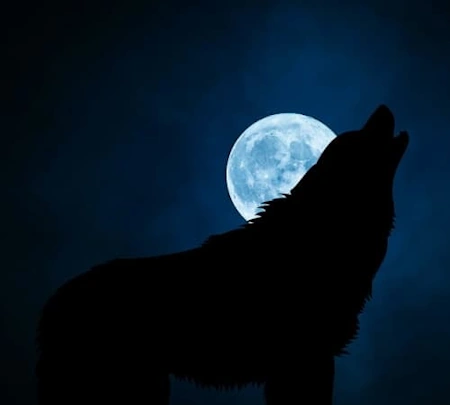
The dogs we know today have a fascinating evolutionary history that ultimately connects them to ancient wolf populations.
It’s widely believed that all modern dogs, Canis lupus familiaris, descended from these wolves. Fascinatingly, recent research shows that both dogs and gray wolves share an even more ancient lineage, stemming from a now-extinct wolf species that lived during the Ice Age.
At some point in history, humans and dogs formed a mutually beneficial bond. While debate continues about exactly when this partnership began, recent fossil evidence in Britain shows that dogs lived alongside humans at least 15,000 years ago - and DNA findings suggest the connection may go back even further.
Over time, dogs proved themselves not only as loyal companions, but also as invaluable helpers. From guarding camps to assisting in hunting, dogs became essential to daily life - a role they still play today as beloved members of our families.
There are differing opinions about how dogs became so diversified. But it's not hard to imagine that humans, realizing the dogs' potential, started selectively breeding dogs of certain physical characteristics for different types of tasks.
About The AKC
Founded in 1884, the American Kennel Club (AKC) promotes the breeding and sport of purebred dogs, focusing on health, temperament, and function.
Parent Dog Clubs representing individual breeds apply to the AKC for official recognition. It takes many steps to do this, but if the Club is successful, the AKC subsequently reviews/approves the parent club's standards for that specific breed.
AKC breeds are showcased in dog shows and competitions across the country, highlighting the incredible variety, skill, and beauty of purebred dogs.

Check Price on Amazon
AKC Breeds Can Help You Find Your Best Friend
Thinking of adding a dog to your family? Exploring AKC breeds can help you compare profiles to find a great match.
Each breed has its own unique qualities - whether you're looking for a playful family dog or a calm companion for quiet evenings.
Don't forget to visit our popular dog breeds page to read real-life stories shared by other pet owners, and check out our guide to dogs good with children if you're searching for a kid-friendly breed.
Our small dog breeds
list is also a helpful resource for anyone wanting a pint-sized
companion.
Did You Know?
- Dogs and gray wolves share more than 99% of their DNA!
- Dogs, wolves, and coyotes can interbreed and produce healthy offspring.
- Thanks to subtle DNA markers, scientists can distinguish coyotes from dogs and wolves.
It's amazing that despite such close DNA ties, AKC breeds display an incredible range of sizes, appearances, and talents!
FAQ About AKC Breeds
Before You Go...
If you like the content of this page, as well as others on my site, please give it some love by clicking on the heart in the lower right hand corner. This helps me keep providing enjoyable and useful content.
Thank you.
- Home
- Dog Breeds
Some images:clipart-library.com

Embark DNA And
Genetic Health Kit

Link To Us
... here if you like the content at Dog Spoiling and think it would be valuable to others 😊