Polish Lowland Sheepdog
aka Polski Owczarek Nizinny!
The Polish Lowland Sheepdog is also known as Polski Owczarek Nizinny (Polish Version).
Since those two names don't just roll off the tongue, someone must have
come up with the
acronym
PON and it stuck, so well in fact that they
are referred to as the PON both here and in their native Poland.
Development of the PON is believed to have occurred before or during the 16th century when Polish long-coated sheepdogs were crossed with the Puli.
Not much later the PONs arrived in Scotland aboard merchant sailing ships and a few of them were traded in exchange for livestock. It is believed that these new arrivals became part of the breeding stock that developed the Bearded Collie which in turn became an ancestor to the Old English Sheepdog.
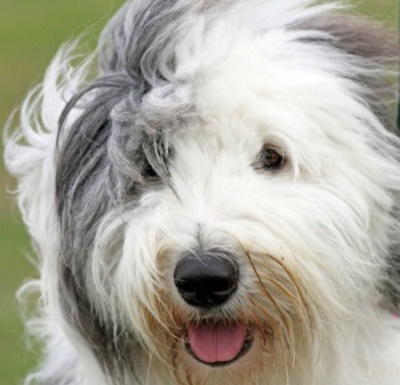
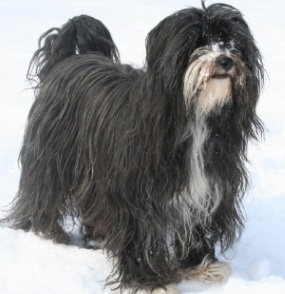
PONs are well-balanced, strong and muscular dogs with profuse shaggy coats that gives them a very attractive and amiable appearance.
Although the head looks a bit out of balance, it is in proportion to their medium-sized body, but appears larger due to an abundance of hair that covers the eyes, forehead, cheeks and chin.
When you can catch a glimpse of their eyes, the color should be brown or hazel.
Polish Lowland Sheepdog History
The original purpose of the Polish Lowland Sheepdogs was as working
sheep dogs and guardians of the flock. They were ideally suited to this
role because of their strength, excellent herding instincts and fearless
nature.
Although, the breed nearly became extinct during the devastation of
World War II, enthusiasts kept enough of the PONs going until eventually
they were registered with the Polish Kennel Club when it was formed in
1957.
The breed received recognition by the American Kennel Club in 2001.
These lovable herding dogs now enjoy a popularity in the show ring as well as in the family home.
Polish Lowland Sheepdog at a Glance
- Size: Medium (30–50 pounds)
- Life expectancy: 12–14 years
- Energy level: Moderate to high
- Grooming: High
- Good with children: Yes, with socialization
- Good for first-time owners: Best for owners willing to invest time in grooming and training
- Shedding: Low to moderate
- Trainability: High
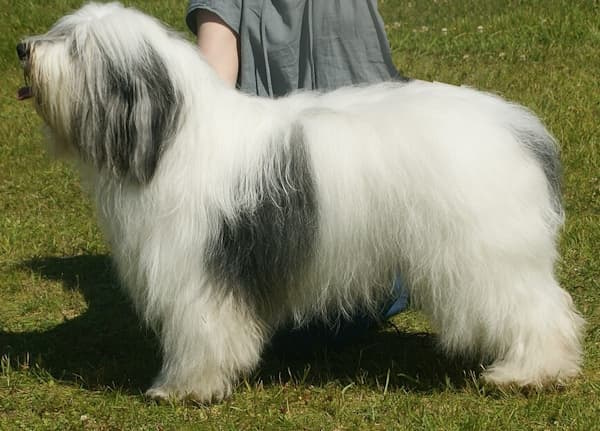 Credit: Canarian
Characteristics of the PON
The domesticated PONs have adapted their pastoral instincts toward protecting and loving their human family flock.
They are loyal and lovable pets that have affectionate and sometimes
clownish personalities. They are always eager to please and very
trainable companions.
The guarding traits of the PON make him a bit reserved and wary of strangers until he is satisfied that they pose no threat.
Although they are not barkers, they will let you know when potential intruders (aka visitors) are approaching your home. Don't worry, the PON is also known for having a very good memory and will remember your friends!
Like most working dogs, these sheepdogs are both intelligent and independent thinkers. As such, they can be a tad stubborn at times and need a strong leader, as well as training that is firm, yet fair and consistent.
The PON will benefit greatly if he can take charge of some responsibilities around the house. From the time they are a puppy, PONs need to be well-socialized and exposed to a variety of situations, events and people, so that later on they will be able to intelligently differentiate between the things they encounter.
Appearance and Grooming
Height: Males 18-20 inches; Females 17-19 inches
Weight Range: 30-50 pounds
Coat colors: Although any coat color is acceptable, the most
commonly seen are white with either black, gray or sandy patches and
gray with white, or chocolate. Most puppies will have a darker color
initially which fades as they become adult.
Coat Care - The Long and the Short Of It
The Polish Lowland Sheepdog has a weather-resistant double coat. It is
very shaggy-looking, long and thick and more or less straight. The
undercoat is soft and dense.
There is no getting around it, owners of a PON must be willing to groom their dog on a daily basis to keep the standard coat free of mats and tangles.
Special attention should be given to these trouble spots: elbows, thighs, feet and stomach/groin, behind the ears, between the toes and pads of the feet. Also, the ear canal needs to be trimmed.
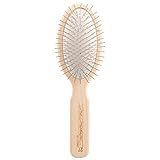
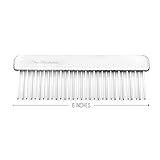
The basic grooming tools for this type of coat called a "crisp" coat, includes at least one, preferably two, high quality brushes, and a good metal comb. For removing mats and tangles, a de-tangling spray is also very helpful.
It's important not to skimp on grooming tools and risk damaging this extraordinary coat.
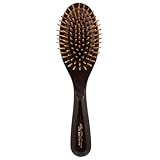
Interestingly, while this breed is not a heavy shedder, much of the loose hair he does shed will get caught up in the long coat if not brushed out.
Overall, dogs with
coats like the PON do get messier and need more attention if you don't
want outdoor stuff brought inside the home!
On the other hand, if you prefer less grooming and don't plan to show your pet, the alternative is to have the coat trimmed much shorter and they will still look adorable!
Health
While Polish Lowland Sheepdogs are a generally hardy breed, they are prone to certain health conditions including:
Hip Dysplasia: This is an inherited issue involving the hip joint that results in pain, muscle loss and lameness. It’s a degenerative disease, but there are many treatments and therapies available. Hip dysplasia can affect any dog, but it’s more common in larger breeds.
Progressive Retinal Atrophy (PRA): Progressive Retinal Atrophy (PRA): This inherited disorder results in vision loss and eventually blindness with no cure. However, genetic screening testing is available so be sure to ask your breeder.
Hypothyroidism:
An endocrine disease where the body does not make enough of the thyroid
hormone thyroxin. Symptoms often include weight gain, hair loss, and lethargy.
Typically it is diagnosed with a blood test and treated with daily
medications.
In PONs it is caused by a recessive gene known as rcd4-PRA.
Responsible breeders will test for these
diseases before selecting their dogs for breeding. Testing results/certificates should be provided to prospective
buyers.
With the benefit of good care, high-quality dog food, either commercial type or home-prepared with vet approval,
exercise and regular veterinary check-ups, pet parents can expect to
enjoy their PON for up to 14 years.
Recommended Health Tests From the National Breed Club:
- Hip Evaluation
- Ophthalmologist Evaluation
Activity Level
Herding dogs, including the Polish Lowland Sheepdog, need plenty of regular exercise including mental challenges.
Some of their exercise can take the form of agility games that you play with them, such as flyball or frisbee.
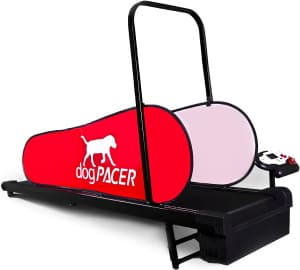
In addition, daily vigorous walks or jogging with a family member will provide them with the physical outlet they require.
Ideal Living Space
Being a dog with its roots in the countryside of Poland, a rural
property with room to run will beat out any other as the ideal setting.
That being said, many of these dogs have adapted to living in
apartments. The key is to make sure that the PON receives a considerable
amount of daily exercise.
The PON With Children
The Polish Lowland Sheepdogs are gentle and get along well with children
if raised with them. They are playful and loving with well-behaved
children who are respectful of dogs.
One thing to consider is the age and size of your child with respect to a rambunctious young puppy that can easily herd kids around and may accidentally knock them down.
The best policy no matter what the breed, is to always have an adult closely supervise activities between pets and children.
Companion for Seniors?
The Polish Lowland Sheepdog bonds closely with their owners no matter what their age and have been used in therapy situations.
An senior or sedentary person may be lucky enough to find one of them
that is mature and has a more mellow demeanor.
Two important considerations would definitely be grooming and exercise, which are more intense with this breed.
Where to Buy Or Adopt a Polish Lowland Sheepdog
Before you decide to adopt a PON, please do thorough research to make sure the breed is right for you. When you are ready to purchase or rescue, the following reputable organizations will help you to find one:
- AKC Marketplace - 100% AKC puppies from AKC-Registered litters (Also find groomers and trainers here)
PON Breed Club - maintains a breeder list and currently available puppies - American Polish Lowland Sheepdog Club - PON Rescue and Adoption
These organizations are reliable places to help you find a PON puppy or adult to adopt, or buy.
If purchasing a purebred PON from reputable breeder, expect to pay between $3,000 to $3,500 depending on several factors, such as health testing, pedigree, breed type, reputation of the breeder and your location. Purchasing a healthy puppy from an ethical breeder means the health of the litter is a priority.
When meeting with a breeder expect to meet the parents of the puppies and view the environment in which they are being cared for. Have some questions ready such as: what the parents are like, if the puppies have started socialization and if the breeder is available for later support.
It is recommended to avoid casual (or backyard) breeders, since these breeders may not prioritize the health of the puppies or perform proper health testing on the parents.
FAQs
Is a Polish Lowland Sheepdog a good family dog?
Is a Polish Lowland Sheepdog a good family dog?
Yes. The Polish Lowland Sheepdog (often called the PON) is known for being loyal, affectionate, and devoted to its family. They generally get along well with children when properly socialized and enjoy being involved in family activities. Because they were bred as herding and guarding dogs, they are naturally protective and may be reserved around strangers until they feel comfortable.
Do Polish Lowland Sheepdogs bark a lot?
Do Polish Lowland Sheepdogs bark a lot?
Polish Lowland Sheepdogs are not considered excessive barkers, but they make excellent watchdogs. They are alert and will usually bark to let you know when someone approaches your home or something unusual catches their attention. Early training can help prevent unnecessary barking.
How much grooming does a Polish Lowland Sheepdog need?
How much grooming does a Polish Lowland Sheepdog need?
The Polish Lowland Sheepdog has a long, weather-resistant double coat that requires regular brushing to prevent mats and tangles. Most owners should plan on thorough grooming several times a week, with extra attention to areas behind the ears, under the legs, and around the feet. Some pet owners choose a shorter trim to make coat care easier.
Are Polish Lowland Sheepdogs easy to train?
Are Polish Lowland Sheepdogs easy to train?
Yes, but they do best with positive, consistent training. These intelligent herding dogs learn quickly and enjoy having a job to do. Because they can also be independent thinkers, short, enjoyable training sessions work better than harsh corrections.
How much exercise does a Polish Lowland Sheepdog need?
How much exercise does a Polish Lowland Sheepdog need?
This breed enjoys moderate daily exercise along with activities that challenge its mind. Daily walks, playtime, obedience training, herding activities, agility, or puzzle toys all help keep a Polish Lowland Sheepdog happy and prevent boredom.
Do Polish Lowland Sheepdogs shed?
Do Polish Lowland Sheepdogs shed?
Although they are not heavy shedders, loose hair often becomes trapped in the thick outer coat instead of falling onto your furniture. Regular brushing removes this loose hair and helps keep the coat healthy while reducing mats and tangles.
Before You Go...
If you like the content of this page, as well as others on my site, please give it some love by clicking on the heart in the lower right hand corner. This helps me keep providing enjoyable and useful content.
Thank you.
- Home
- Dog Breeds
- Polish Lowland Sheepdog
Reference: UC Davis Veterinary Medicine Veterinary Genetics Laboratory.
Photo credit: Canarian, CC BY-SA 4.0, via Wikimedia Commons Polski Owczarek Nizinny

Budget Friendly


Link To Us
... here if you like the content at Dog Spoiling and think it would be valuable to others 😊