Dog Urine Removal
Effective Steps to Clean Stains & Odors
Dog urine removal is a problem almost every dog owner will encounter sooner or later.
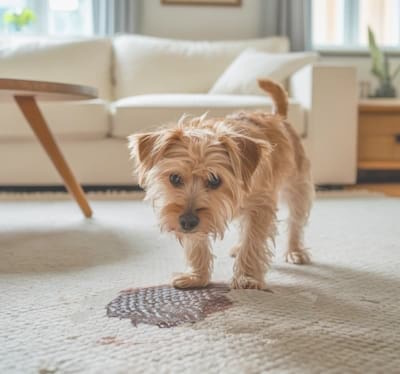
Let's face it, accidents happen — to puppies, senior dogs, and even well-trained pets when life gets in the way. If you’ve ever dealt with lingering odors or mystery stains that seem to reappear no matter how much you clean, you’re not alone.
This guide focuses on safe, effective dog urine removal for carpets, floors, and upholstery — with practical steps that actually work, not harsh chemicals or gimmicks that put pets at risk.
Recently, I noticed some old stains starting to reappear again on my carpet. Why do I say again? Well you probably know that dog urine stains usually don't get gone forever unless you are able to catch your dog in the act and tackle them right away.
But, if you're not so quick, a couple of months after cleaning up the rugs, they're back...aargh!
Why Quick Action Matters with Dog Urine
Dog urine doesn’t just sit on the surface — it seeps.
- Urine crystals can soak into carpet padding, wood grain, and grout
- As urine dries, odors become stronger, not weaker
- Heat (including steam cleaning) can actually set the smell permanently
- Pets may re-mark areas that still smell faintly to them
That’s why quick action — and the right method — matters.
In talking to the flooring experts, you will find out that any surface can be damaged by dog urine if it is not cleaned up almost immediately. Sound disheartening? Well, yes and no.
If you're a pet owner, you've probably already resigned yourself to the inevitable accident because you love your dog.
On the other hand, forewarned is forearmed! If you're prepared for doggie accidents, your home can survive floor damage from dog urine no matter what floor surfaces you choose to have in your home.
Dog Urine Removal Tips
Start out by preparing a war chest with a few critical supplies:

- A black light to detect urine soiled areas, including older stains that may have gone un-noticed
- A wet/dry vacuum to rinse and extract moisture quickly. This "not to be without" tool is worth its weight in gold and will serve you well for many other purposes around the house. It's amazing!
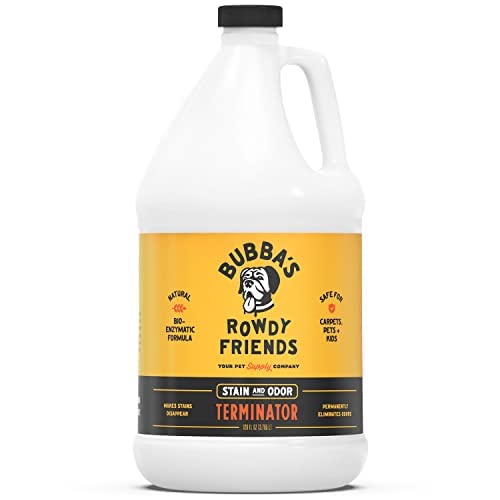
- A good quality enzymatic cleaner as featured above
- An effective odor neutralizer
- White Vinegar
- Paper towels, old bath towels, and spray bottles
Avoid ammonia-based cleaners, as they can worsen odors and trigger repeat marking.
How to Clean Fresh Dog Urine (Step by Step)
If the accident just happened, this is your best-case scenario. The sooner you act, the easier full odor removal will be.
Step 1: Blot — Don’t Scrub
- Use paper towels or old bath towels
- Press firmly to absorb as much liquid as possible
- Scrubbing spreads urine deeper into fibers
Step 2: Rinse and Re-Blot
- Lightly rinse with plain water
- Blot again until the area feels only slightly damp
Step 3: Apply a Pet-Safe Enzyme Cleaner
- Enzymes break down odor-causing proteins
- Follow label instructions carefully
- Keep pets off the area until dry
Step 4: Neutralize With Baking Soda
- Once mostly dry, sprinkle baking soda over the area
- Let it sit several hours (overnight is ideal)
- Vacuum thoroughly
Pet-Safety Note:
Avoid cleaners not clearly labeled safe for pets, and never mix cleaning products together.
How to Remove Old or Set-In Dog Urine Stains
Older stains take more patience — but many can still be improved.
- Use an enzyme cleaner designed for old pet urine
- Apply generously and allow enough dwell time
- Baking soda can help absorb lingering odors after treatment
- UV or black lights can help locate hidden problem spots
If urine has soaked into carpet padding or subflooring, professional extraction or pad replacement may be the only complete fix — and that’s okay. Sometimes knowing when to stop scrubbing is part of the solution.
Removing the odor is very important to make sure your dog cannot detect it and return to the scene of the crime!
For older or stubborn urine stains, multiple treatments may be required. Enzyme cleaners are often most effective because they digest odor-causing compounds.
Dog Urine Removal on Different Surfaces
Carpets & Rugs
- Blot → enzyme cleaner → baking soda
- Avoid steam cleaning until odors are fully neutralized
Hardwood & Laminate Floors
- Blot immediately
- Use minimal moisture
- Avoid soaking seams or joints
- Spot-test enzyme cleaners first
Tile & Vinyl
- Urine can settle into grout lines
- Enzyme cleaners work better than vinegar alone
Upholstery & Dog Beds
- Check care labels
- Use enzyme spray
- Air-dry fully before reuse
Vinegar/water spray and enzyme cleaners work safely on many surfaces, but be sure to spot-test first.
To reiterate, dog urine removal on these other surfaces, needs to be cleaned up quickly with paper towels as the first step. Then wash with soapy water, rinse, and follow up by applying an enzymatic cleaner to the soiled area.
If you are dealing with old stains on wood floors, you may have to remove the varnish and refinish the area. The following technique has been reported by many as an effective way to do this.
Apply hydrogen peroxide to the stain and let sit for a few minutes, then scrape off the finish from the stained area. Repeat the application a second time with the hydrogen peroxide, only this time cover with clear plastic and let it penetrate for 2-3 hours or even much longer. If necessary, you may have to repeat this step again on a really bad stain.
When you have attained a satisfactory result, refinish the wood surface in the normal way and make sure you have it is well sealed.
Common Dog Urine Cleaning Myths (What to Avoid)
- Myth: Scrubbing removes stains
Truth: It pushes urine deeper -
Myth: Vinegar removes all urine odors
Truth: It may reduce smell, but doesn’t digest urine proteins -
Myth: Steam cleaning fixes everything
Truth: Heat can lock odors in permanently
Best Practices Most Pet Parents Can Rely On
If you only remember a few things, let it be these:
- Act quickly whenever possible
- Use enzyme cleaners, not just fragrance cover-ups
- Always blot — never scrub
- Avoid heat until odor is gone
- Prioritize pet-safe products
Dog Health Related Accidents?
If your dog’s accident is an out-of-the-ordinary event — not just part of the house-training process — it’s worth paying attention. Sometimes accidents can signal stress, age-related changes, or an underlying health issue. Keep an eye on your dog for a few days and note any changes, especially in eating, drinking, or energy levels.
After one of my dogs had her first accident, I noticed she was drinking far more water than usual. Long story short, I took her to the vet and learned she had diabetes. Catching it early made all the difference for her quality of life.
On the other hand, if accidents become more frequent but your dog otherwise seems healthy, it may simply mean going through another phase of house training — something that can happen with puppies, senior dogs, or during periods of change.
Dog urine removal is often part of life with a puppy or an aging dog, so my hope is that this article helps you handle the clean-up process with less stress and more confidence.
FAQs About Dog Urine Removal
Dog Urine Removal FAQs and answers:
If your dog also urinates outdoors, you may want to see our guide on lawn care for dog pee to prevent grass damage and repeat marking.
Before You Go...
If you like the content of this page, as well as others on my site, please give it some love by clicking on the heart in the lower right hand corner. This helps me keep providing enjoyable and useful content.
Thank you.
Related Topic
Dealing With "Lawn" Care And Dog Urine Damage
- Home
- Dog Lawn Care
- Dog Urine Removal