Canine Urinary Incontinence:
Signs, Causes, Diagnosis & What to Do
What is Canine Urinary Incontinence?
Canine urinary incontinence is the involuntary leakage of urine in dogs — not just an accident or “forgetting,” but a sign that something in the urinary system or overall health may need attention.
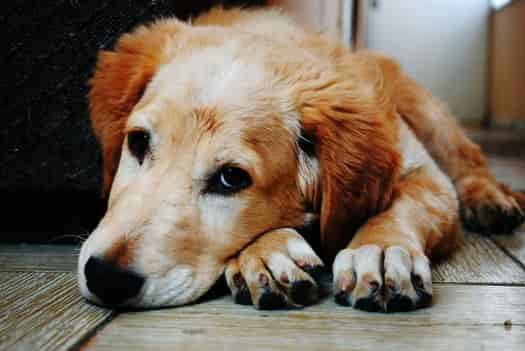
While occasional dribbles can happen in aging dogs, this condition is not normal and may be connected to hormonal changes, bladder infections, organ disease, or other underlying health issues.
Symptoms can overlap with other health problems (such as high thirst or frequent urination seen in diabetes in dogs as well as liver or kidney related diseases such as canine Cushing's disease). This means it’s important to read through the common signs and know when to call your veterinarian. This helps ensure your dog gets a proper diagnosis and the right care quickly.
Read on to learn what signs to watch for, what causes urinary incontinence, and how it’s treated both medically and at home.
When to Call Your Vet About Leaking Urine
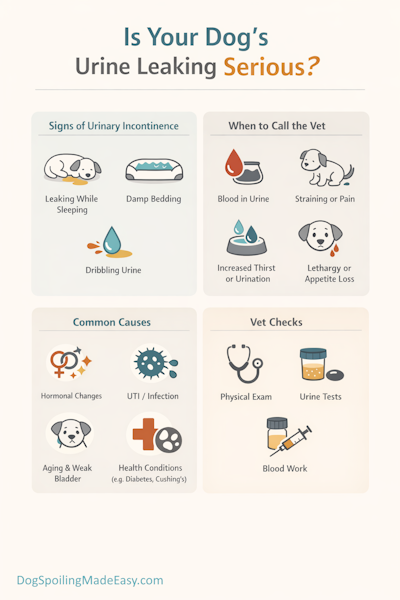
Occasional urine leakage can sometimes be related to aging or hormone changes, but incontinence is not something to ignore. Contact your veterinarian promptly if you notice any of the following:
- Blood in the urine
- Straining or signs of pain while urinating
- Sudden increase in thirst or urination
- Lethargy, fever, or loss of appetite
- Weakness in the back legs or trouble standing
- A strong or foul urine odor
These symptoms may indicate a urinary tract infection, bladder stones, diabetes, Cushing’s disease, or a neurological issue -conditions that can worsen without treatment.
What to expect at the vet:
Your veterinarian will usually start with a health history and physical exam, followed by a urine test. Depending on the findings, blood work or imaging (such as X-rays or ultrasound) may be recommended to determine the underlying cause.
Facts About Dog Incontinence
Although any breed can be affected by incontinence, it has been reported that it happens more often in the following breeds:
- Irish Setter
- Springer Spaniel
- Doberman Pinscher
- Miniature Poodle and
- Rough Collie.
That being said, another statistic about dog incontinence is that spayed females account for about 20% of the cases.
It is also common among middle aged to older dogs and dogs that are overweight, but it can occur in dogs of all ages, both male and female - even puppies.
So, if your pet is having a leakage problem, the cause needs to be determined before you set about finding a solution.
Have a specific question about your dog?
This interactive vet Q&A provides personalized guidance but does not
replace an in-person veterinary exam..
Interactive
Causes and Risk Factors of Canine Urinary Incontinence
Loss of bladder control can occur for various reasons including the following:
- Middle-aged to older pets, either male or female, may occasionally forget their training. At the same time, they may be starting to lose tone in the muscle that controls closure of the urethra, resulting in leakage.
- In older female dogs or ones that have been spayed, the reduction in estrogen levels is considered the most likely reason for their loss of urinary muscle tone which may lead to future bladder control problems.
- Urinary tract infections also referred to as bladder infections in dogs, are one of the frequent causes of canine incontinence. Conversely, incontinence in dogs caused by some other physical problem, can also lead to urinary tract infections, vaginitis and skin irritations.
- Cognitive aging syndrome which can affect bladder control in dogs can also, unfortunately, cause increased thirst.
- Anatomical defects.
- Excessive consumption of water.
- Spinal damage which may be causing pressure on the nerves connected with urination.
- Kidney stones or polyps in the bladder.
- Advanced Lyme disease.
How Vets Diagnose Urinary Incontinence in Dogs
Because urine leakage can be caused by several different medical conditions, your veterinarian will focus on identifying the underlying reason, not just treating the symptom.
Diagnosis typically begins with a discussion of your dog’s age, medical history, spay/neuter status, and when the leaking occurs (for example, during sleep or after activity). A physical examination is usually followed by one or more of the following tests:
- Urinalysis to check for infection, crystals, or inflammation
- Urine culture if a bacterial infection is suspected
- Blood tests to screen for conditions such as diabetes or Cushing’s disease
- Imaging, such as X-rays or ultrasound, if bladder stones, anatomical abnormalities, or neurological causes are suspected
Once the cause is identified, your veterinarian can recommend the most appropriate treatment plan and management strategy for your dog.
Other Signs May Cause Confusion
Is It Incontinence or a Behavior Issue?
Behavioral issues, resulting from fear, excitement, stress or
anxiety, may cause submissive urination, but this is not the same
as incontinence resulting from a medical basis.
It is also worthwhile to note that dog incontinence should not be confused with frequent urination which is often
symptomatic of a disease such as diabetes in dogs, as well as liver or kidney related diseases such
as Cushing's disease in dogs.
Treatment Of Canine Urinary Incontinence
When the basis of incontinence is hormonal, the mainstream medical approach is to treat it with a synthetic form of estrogen
as a means of restoring stronger function to the sphincter muscle - the muscle involved in urination.
When the cause of canine urinary incontinence stems from a urinary tract infection, the common
treatment is to administer antibiotics. Pet owners can also encourage a dog suffering from UTI to drink more water
which is helpful in flushing out harmful bacteria.
If your dog's incontinence is caused by overweight which can put pressure on the bladder, review his dietary needs and make sure he gets sufficient exercise.
Veterinary Treatments
Treatment depends on the cause of your dog’s incontinence. In many spayed female dogs, the issue is related to weakened bladder sphincter muscles.
Common veterinary treatments may include:
- Phenylpropanolamine (PPA): Helps strengthen the muscles that keep urine in the bladder
- Estrogen therapy: Used in some dogs to improve bladder control
- Antibiotics: Prescribed when a urinary tract infection is present
Most dogs respond well to treatment, though some may need long-term medication. Your veterinarian will help determine the safest and most effective option for your dog.
Natural or Complementary Approaches
Some owners explore natural supplements or alternative therapies to support bladder health. These options should not replace veterinary diagnosis or treatment, especially if symptoms are worsening.
Natural approaches may be used alongside vet care to support overall health, but it’s important to discuss any supplements with your veterinarian to avoid interactions or delayed treatment.
Managing a Dog with Incontinence at Home
While treatment is underway, practical management can make daily life easier for both you and your dog:
- Use washable dog bedding or waterproof mattress covers
- Take your dog outside more frequently, especially before bedtime
- Consider dog diapers or belly bands for temporary protection
- Clean accidents promptly to prevent skin irritation and odors
- Gently trim fur around the genital area to keep skin dry
With the right care plan, many dogs with incontinence continue to live comfortable, happy lives.
Natural Options
Natural means of increasing estrogen can also be tried such as the use of supplements which contain raw extracts from
ovarian, thyroid, pituitary and adrenal glands. Similarly, herbs such a Wild Yam and Oatstraw can be administered to increase
estrogen as well as provide other benefits helpful in treating the condition.
Other natural approaches to strengthen the bladder and also stimulate estrogen production
may include acupressure or the use of homeopathic remedies to re-balance the body.
Anytime your dog is showing signs of incontinence, it's best to pay a visit to the vet for a diagnosis and treatment advice. At the same time, provide frequent opportunities for him/her to urinate outside, to cut down on accidents in the home.
Don't scold your pet as this will increase his anxiety and make things worse, plus he/she is unaware of the unintentional leaking problem.
Dog Incontinence Products

NaturVet Cranberry Relief An alternative to antibiotics for treating recurrent urinary tract infections in dogs and cats. Contains
botanical extracts and herbs including cranberry extract, marshmallow root, blueberry extract, vitamin C
and Olive leaf.
These ingredients are designed to support a healthy urinary tract and help prevent the factors
that are symptomatic of urinary tract infections.
Be sure to read the reviews of pet owners who have used this product.
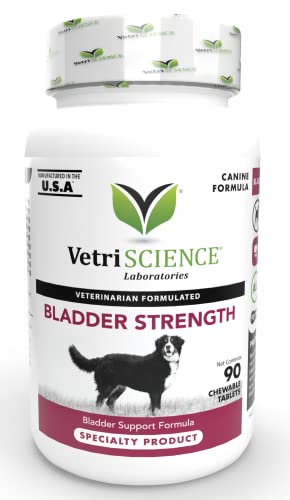

VetriScience Bladder Strength A natural bladder control product to help pets overcome leaking problems and the stress for pets and
their owners that is associated with frequent accidents.
Contains a combination of herbs and vitamins that help to: strengthen the bladder,
normalize hormones, maintain bladder muscle tone and function, support the immune system and general
bladder health.
Ideal for female dogs that have been spayed and senior dogs of either gender.
⁉️FAQs About Dog Urinary Incontinence
Becoming Informed
Urinary incontinence in dogs is just one of the common health issues that can crop up during your pet's lifetime.
Becoming informed about dog illnesses helps pet parents recognize and respond to a pet's needs
quickly.
Dr. Pitcairn's Natural Dog Health book, is an invaluable resource
written by
this well-respected vet,
containing information about
numerous dog health issues, useful home remedies, plus advice about which dog illnesses need a
consultation with a pet professional.
Recommended to have on hand.

Veterinary & Medical Sources
The information on this page is based on research from trusted veterinary and animal health authorities and is written for general educational purposes.
Content was developed using guidance from veterinary teaching institutions, animal welfare organizations, and established veterinary reference manuals, including:
– University of California, Davis School of Veterinary Medicine
– Oklahoma State University College of Veterinary Medicine
– ASPCA
– Merck Veterinary Manual
– Merck Animal Health (USA)
This content is not intended to replace professional veterinary diagnosis or treatment. Always consult your veterinarian with questions or concerns about your dog’s health.
Before You Go...
If you like the content of this page, as well as others on my site, please give it some love by clicking on the heart in the lower right hand corner. This helps me keep providing enjoyable and useful content.
Thank you.
More To Explore
- Home
- Dog Diseases
- Canine Urinary Incontinence

Rated 'Excellent'
on Trustpilot
Link To Us
... here if you like the content at Dog Spoiling and think it would be valuable to others 😊