Caring for an Older Dog: A Practical Guide
to Senior Dog Care
Caring for an older dog often means paying closer attention to small changes that can signal bigger health issues. As dogs age, their bodies don’t bounce back as quickly, and problems that go unnoticed can progress faster than they did in their younger years.
This guide to caring for an older dog focuses on practical, everyday steps you can take at home to support healthy aging — from nutrition and exercise to simple weekly health checks that help you spot early warning signs. By learning what’s normal for your senior dog, you’ll be better prepared to act quickly and work with your veterinarian when something feels off.
 Dogs at Sunset
Sad as it may be to hear, dogs are considered seniors between the ages of six to ten but this can vary depending on the dog's size and breed. While there may be some exceptions due to hereditary factors and differences between breeds, this is a good time to start watching for physical and behavioral changes in your pet.
It seems like only yesterday he was a puppy, today he's your aging dog, but still just as special and beloved. Time flies.
Key Areas of Older Dog Care
Older dog care isn’t just about treating problems as they appear - it’s about supporting your dog’s changing needs while watching closely for early signs of trouble. These are the core areas that matter most as dogs age:
One of the most effective habits you can build is a short, repeatable health check you perform at home each week.
- Diet & Weight Management – Senior dogs need balanced nutrition and careful weight control to protect joints, organs, and energy levels.
- Exercise & Mobility – Regular, gentle activity helps maintain muscle tone, flexibility, and mental well-being without overloading aging joints.
- Vet Visits & Screening – Routine checkups and age-appropriate screening tests help catch common senior conditions early.
- At-Home Health Checks – Simple weekly monitoring of vital signs and body condition can reveal subtle changes before they become serious.
- Comfort & Environment – Small adjustments at home can make a big difference for dogs with stiffness, vision changes, or reduced stamina.
- Behavior & Cognition – Shifts in sleep, routines, or awareness may signal discomfort or age-related cognitive changes.
Your Weekly Senior Dog Health Check (10–15 Minutes)
Performing a quick weekly health check helps you notice gradual changes that are easy to miss day to day. This routine doesn’t replace veterinary care - it helps you recognize when something may be wrong before symptoms become obvious.
By spending just 10–15 minutes once a week, you’ll build a clear picture of what’s normal for your dog - making it easier to spot early warning signs and share accurate information with your veterinarian.
- Check your dog’s temperature
- Assess pulse and heart rate
- Count breathing rate
- Check circulation and hydration
- Perform a hands-on body check
By spending just 10–15 minutes once a week, you’ll build a clear picture of what’s normal for your dog – making it easier to spot early warning signs and share accurate information with your veterinarian.
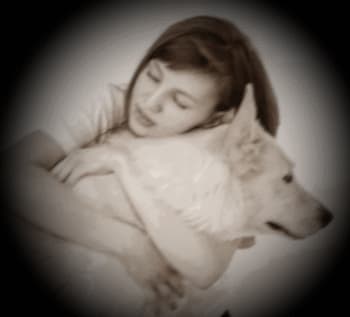
Make Home Checkups Part of Caring For An Older Dog
The best way to spot changes and common health problems in your dog no matter what his age, is to learn how to give a weekly checkup.
It's a good habit to get into starting while he's still a puppy and definitely
a habit to include in caring for an older dog.
When you do
this you'll be able to notice subtle differences in his condition that may indicate a problem. Early
discovery of a potential dog illness can make all the difference in curing or managing it.
How To Give Your Dog A Checkup
We'll go over that in just a bit. Or, you can schedule a visit to the vet and have him demonstrate how to check your dog's vital signs so you'll be able to tell what is normal vs. abnormal.
Things like, pulse, temperature, respiration, circulation and fluids. Once you start doing this at home, keep a journal to record the information so you'll have an accurate record from week to week.
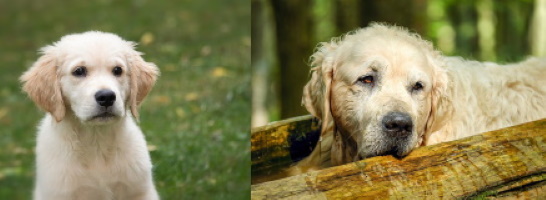 Love Them Young And Old
Caring For An Older Dog - How to Check The Vital Signs
Yes, they are vital, as these signs serve as indicators of your dog's health. If you start recording them from a young age, or at a time when they are in good health, you'll have a head's up if there are any changes.
Checking Your Dog’s Temperature
Let's start with the dog's temperature, which normally falls between 99.5° and 102.5°. A fever would be
indicated at a temperature above 103°. If you're not the nervous type or too squeamish, you can take the
temperature with a lubricated rectal thermometer.
But, an even better non-invasive option, that works immediately, is the No-contact Pet Thermometer
that is designed to take a reading when held over a part of your dog's body. Great for nervous older dogs and their owners!
Checking Pulse and Heart Rate
OK, now that's done, let's move on to the pulse to find out what's going on with the heart.
This is where it will come in handy to ask the vet what
is normal for your breed of dog, because it can vary between size and breed.

So once you have that information, what you are looking for is a strong and regular beat. You can check the beats in either of two locations.
One is inside the upper thigh on your dog's rear legs, which is where you'll find
the femoral artery.
The other is on the chest behind the left leg, where their left elbow meets the body.
This spot, known as the point of maximal impulse (PMI), is
one of the best places to feel the pulse.
To be sure you're in the right place, count the ribs to find your way to the heart. Dogs have 13 pairs of ribs. Begin at the last rib and work towards ribs 7, 6, 5, and 4. Here you should quite easily feel the pulse with your finger in this area.
Count the beats per minute - actually you can do it for 15 seconds and then do the math, times 4.
If you have any challenges taking your dog's pulse such as he won't sit still long enough, or he is a bit overweight to get a read, you can perform the heart beat check with a veterinary blood pressure monitor for pets.
Normal beats can fall in the 60-150 range, but don't jump to any conclusions until you
know what is normal for your breed of dog as I mentioned earlier.
Counting Respiration (Breathing Rate)
Respiration, or in other words breathing, is another good health indicator to review. Do this when your dog is in a relaxed state, not after he's been playing fetch or is panting due to summer heat etc. It is even better to count when the pet is asleep to get an accurate respiratory rate, but don't touch him while you do this as it would likely cause a false count.
A respiration means one breath in and out.In other words, one breath includes one inhalation (breath in) and one exhalation (breath out).
Once you know what is normal for your aging dog, it will be easy for you to spot any distress or changes in his breathing. The average range is around 10-30 breaths a minute, but again it varies according to breed and size.
You can visually do a 15-second count of the breaths, or use a stopwatch, then multiply by 4 to get the one minute result. You should also observe the effort involved which should be hardly any in a resting healthy dog. If you see anything that looks abnormal, there may be something wrong needing a visit to your vet.
Checking Circulation and Hydration
Circulation
Another health indicator is circulation which can be affected in aging
dogs. Just as with humans, the blood must be carried efficiently around
your dog's body to deliver nutrients to the tissues.
You can check out your dog's circulation by lifting his lip and pressing
a finger on the gum line above the canine tooth. When you take your
finger away, count how many seconds it takes for the gum to return to
its normal pink color.
More than a couple of seconds is an indicator of
a problem and you should talk to your vet as soon as possible.
While checking his gums, use the opportunity to also look over the condition of his teeth for any signs of
dental problems or excessive tartar build-up.
Dental health is especially important to all dogs. Any problems,
left unattended, can result in infections, which in turn can cause
serious conditions if they get into the bloodstream.

Hydration
Water, as we know, is necessary for all life forms to exist. Observing your dog's water intake as well as
checking his hydration levels can give you life saving information.
I know the importance of this because it led me to discovering my dog's diabetes. Don't hesitate to talk to your vet if you notice a sudden and
significant increase in your dog's water consumption.
Here's a simple way to check for dehydration
in your older dog. It's often referred to as the tenting test. Just pull up some skin around your dog's neck and
then release. It should fall back to normal right away if enough fluids are present.
However, if your dog
is dehydrated, the skin loses its elasticity and remains in a tented position, taking longer to return to
normal. Any sign of dehydration, which can be life threatening, is reason to call your vet.
Hands-On Physical Exam at Home
After you have completed the measured health stats, follow up with a hands on examination and visual once-over of your senior pet. If
your dog has become used to your tender touch, and most likely he has, then he'll just think he getting some extra pampering.
So run your
hands over his joints, back, and belly for signs of discomfort or swelling, and check his eyes, ears and
bottom for any signs of infection or parasites.
Don't overlook the paws, as this is a prime location to inspect for embedded foreign matter or hidden abrasions.
Feeding Your Older Dog
As dogs enter their senior years, their nutritional needs often change. Metabolism slows and energy requirements may decrease, but quality nutrients - especially high-quality protein - remain essential to support muscle mass and overall health. Many older dogs also benefit from diets formulated specifically for seniors, which are designed to balance calories with joint-supporting nutrients.
Monitor your dog’s weight and appetite closely; sudden weight loss or gain can be an early sign of a health issue. Discuss diet choices and portion sizes with your veterinarian, and adjust gradually to avoid digestive upset.
Exercise & Mobility for Senior Dogs
Regular, gentle physical activity is important for older dogs - it helps maintain circulation, muscle tone, joint mobility, and mental well-being without stressing aging joints. Short daily walks, slow games, and activities suited to your dog’s comfort level work better than long, strenuous sessions.
Pay attention to signs of fatigue or discomfort, and adjust the routine as needed. Simple home adjustments like non-slip rugs, ramps, or supportive beds can make movement easier and more enjoyable for your senior companion.
Vet Visits and Screening Tests for Seniors
Senior dogs benefit from more frequent veterinary checkups than younger dogs. Many veterinarians recommend wellness exams for senior pets at least twice a year, rather than just once annually. These visits often include a physical exam, blood and urine testing, dental evaluation, and screening for common age-related conditions like kidney or heart issues.
Keeping your veterinarian informed of any changes you’ve noticed during your weekly health checks helps them tailor care and catch potential issues early - before they become serious problems.
Behavior & Cognitive Changes to Watch For
Behavioral changes can be among the first signs of discomfort or cognitive shifts in older dogs. You might notice changes in sleep patterns, increased anxiety, confusion in familiar spaces, or decreased responsiveness to cues. These could be linked to physical discomfort, sensory decline, or age-associated cognitive changes.
While some variation is normal with aging, abrupt or worsening changes should prompt a veterinary discussion. Monitoring behavior alongside physical health helps you interpret when something is truly out of the ordinary.
When Does Older Dog Care Begin? - Sooner Than You Think!
When dogs enter their senior years, they need your compassion and loving attention more than ever. It is a necessary commitment that goes hand in hand with dog ownership. In other words, it's time to think about what you can do for your older dog.
With some dog breeds, you'll need to be particularly observant for signs of age-related conditions such as arthritis and other joint related conditions.
I'm speaking of those dogs with a high pain tolerance, that are able to carry on as normal showing no signs of any discomfort they may be enduring.
While retrievers and terriers are typically in this category, many dogs hide their pain to avoid showing weakness to predators- something learned long ago.
Early Detection Can Save A Pet's Life
As mentioned earlier, your dog's vital signs are fairly simple to track on a week-to-week basis, and good overview of his current health.
Record your findings in a notebook, like the pet planner, as part of caring for an older dog.
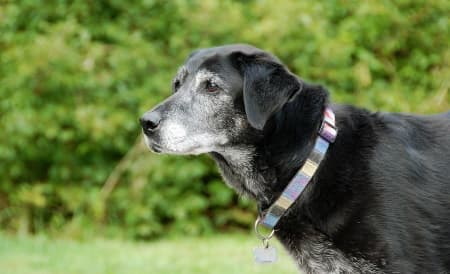 Sweet Sixteen
⁉️Frequently Asked Questions About Older Dog Care
Question
At what age is a dog considered a senior?
Question
At what age is a dog considered a senior?
Answer Most dogs are considered seniors between 7 and 10 years old, depending on breed and size. Larger breeds tend to age faster than smaller dogs, so they may enter their senior years earlier.
Question
How often should I check my senior dog’s health at home?
Question
How often should I check my senior dog’s health at home?
Answer A brief health check once a week is usually sufficient for most senior dogs. Regular monitoring helps you notice gradual changes that may indicate emerging health issues.
Question
How often should senior dogs see the vet?
Question
How often should senior dogs see the vet?
Answer Many veterinarians recommend wellness exams every six months for older dogs. These visits often include screening tests that can detect age-related conditions early.
Question
What are common signs of aging to watch for in older dogs?
Question
What are common signs of aging to watch for in older dogs?
Answer Common changes include reduced energy, stiffness, weight changes, altered sleep patterns, and behavioral or cognitive shifts. Sudden or severe changes should always be discussed with a veterinarian.

Summary
Caring for an older dog involves more than responding to health problems as they arise - it’s about supporting changing needs while paying attention to small details that can signal early trouble. Proper nutrition, appropriate exercise, regular veterinary care, and a comfortable home environment all play important roles in helping senior dogs age well.
Just as important is consistent at-home monitoring. A simple weekly health check allows you to notice gradual changes in vital signs, mobility, behavior, or body condition that might otherwise go unnoticed. By combining routine observation with professional veterinary care, you give your older dog the best chance to stay comfortable, active, and healthy throughout their senior years.
Inevitably in caring for an older dog, there will be some
physical signs of aging. Stiff joints or arthritis are common problems that can be helped with hip and joint supplements.
Hearing and eye problems
can also be issues and sometimes there are changes in behavior. Pet parents will spot these signs with routine inspections.
Bad breath without obvious dental issues, can be an indicator of other conditions
such as diabetes or kidney problems.
The good news is, dogs are living far longer these days thanks to incredible advances in veterinary
medicine. So make the most of their golden years.
With compassion, there is so much we can do to make our senior dog's life comfortable and enjoyable. And, this is the greatest gift we can give our loyal friends.

Veterinary & Medical Sources
Content was developed using guidance from veterinary teaching institutions, animal welfare organizations, and established veterinary reference manuals, including UC Davis School of Veterinary Medicine, the ASPCA, and the Merck Veterinary Manual.
- Always consult your veterinarian when you have health-related questions or you think your dog is sick. Information on this website is not intended to replace the advice of a qualified professional. The information above is designed to help inform you about the topic..
Using this information is at your own discretion and we will not be liable for any actions taken by any person or any consequences that may result.
More to Explore
- Home
- More Articles
- Caring for an Older Dog
Image:"sweet sixteen!"by looseends is licensed under CC BY-NC-SA 2.0

NOTE: Information on this website is not intended to take the place of advice from a veterinarian.
More information about caring for an older dog can be found here
commission at no extra cost to you.

Link To Us
... here if you like the content at Dog Spoiling and think it would be valuable to others 😊