Dog Skin Allergies
Dog skin allergies can be frustrating because most of the time it's not obvious what's going on and it can take a bit of detective work to find the cause of the allergic response. All the while, your pet is miserable.

Types Of Dog Allergies
There are various types of dog skin allergies which fall into these categories:
- Food - diet sensitivity to a certain protein (my vet says chicken is the most common) or medications
- Environment - grasses, pollen, soaps, fibers, chemicals, insecticides, mold, fungus and more that are inhaled or absorbed through contact with the skin
- Fleas, or more precisely, substances present in their saliva. This is a very common cause of skin allergies in dogs especially at the height of the flea season.
Some pet allergies can erupt overnight without any visible reason at all and these can be the most frustrating. So the first thing is to try to isolate which type of allergy is affecting your pet. This is very important so that the right treatment can be started without delay.
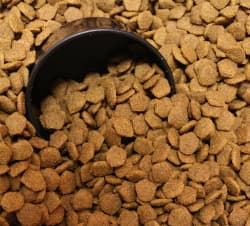 Food Food |
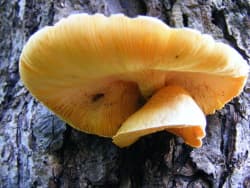 Fungus Fungus |
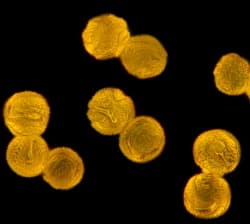 Pollen Pollen |

Hereditary Factors
While any breed of dog can acquire a skin allergy, certain breeds are indicated as being more susceptible to them.
To name a few...
- Golden Retrievers
- Bulldogs
- Poodles
- Spaniels
- Pugs
- Beagles
- Bichon Frise
- Yorkshire Terriers
 Beagle Beagle |
 Bichon Frise Bichon Frise |
 Yorkshire Terrier Yorkshire Terrier |
Signs of Dog Skin Allergies
Start by observing the symptoms of your dog and look for the associated disease or
allergy. Typical signs of dog skin problems may include:
- Excessive itching
- Inflamed skin
- Prolonged licking or chewing of any body part
- Rubbing face/ears/body
- Hives
- Hair loss or greasy patches
Hot spots are often a nasty outcome of these behaviors. If it gets to this stage, sadly, we have to bring out the Vetericyn-Antimicrobial-Relief-Spray and the cone of shame to avoid further trauma. By the way, this product is fantastic, in my experience, if used at the first sign of a hot spot or other lesion.
But before we go any further, your dog's first skin problem may be something as simple as an allergic reaction to a grooming product such as a
shampoo or coat spray that you might have used recently.
If this is the case, easy
solution, you can stop using the product and the discomfort of your dog will gradually subside. Then
try a natural organic dog shampoo that is recommended for allergy-prone pets. Rocco and Roxie Hypoallergenic shampoo is a very effective and gentle one.
On the other hand...
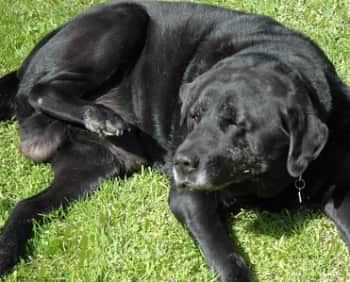 Darn those fleas!
Flea Allergies
It's another story if your poor dog has a flea allergy, a simple fleabite might cause immense irritation and misery.
Flea infestations can and should be dealt with quickly because they can cause more serious problems. Fortunately there are ways to deal with dog fleas naturally without the use of harsh chemicals.
Most common skin allergies in dogs are bacterial skin infections or pyodermas that are not infectious to human beings. These include parasitic skin diseases like flea allergies, fungal skin infections, ringworm, and mange that are caused by an allergic reaction to some particular item, or insect like mites.
 Courtesy B.Timmermans
Other Causes of Dog Skin Allergies
There are some medical conditions like thyroid disease or any fungal infection in which the dog not only has
skin irritation but also hair loss. Sometimes pet owners confuse this for a dog skin allergy.
When these health conditions are present, professionals usually want to take a close look at the pet's diet to make sure it is providing a proper balance of ingredients including adequate levels of omega-3 and omega-6 fatty acids to support healthy skin. I have given my dogs The Missing Link Skin And Coat supplement for many years with great success in maintaining their coats.
A healthy diet, along with good hygiene and grooming are important factors in the prevention of skin problems. Aloe Vera has also been suggested to help with any bald areas and to avoid infection.
If, in spite of your best care with grooming and nutrition, you still are finding some abnormal rashes or other dog skin allergies, you should immediately contact your veterinarian for his expert advice and testing so that the cause is identified and appropriate treatment is given.
Interactive
Inhaled Triggers
It is not easy to know for sure whether or not a dog is suffering from dog skin allergies. Daily observation is the best way to uncover the culprit at the root of your pet's skin problem.
The main reason behind this is that while humans react to their allergies through the nose by sneezing, a dog's response to an allergen is usually expressed through their skin.
Inhaled triggers are the worst and can be difficult to pin down without careful and controlled observation.
But, if you see your dog scratch, bite, chew its feet, rub its face in the carpet or lick constantly,
this is a sure sign that your dog is allergic to something that he is inhaling, coming
into direct contact with, or is being consumed by him.
If this happens most of the time or all the year round, consult a vet for that.
But if it has occurred suddenly, try to discover what was used recently that may have caused the allergic response in your dog.
As soon as you stop using that thing, your dog will return to normal once it no longer in his system.

Food Related Dog Skin Allergies
When it comes to dog food allergies, these are more time-consuming and difficult to pin down. Any
ingredient can be the culprit that is causing your dog's irritation and restlessness and it may take
a while to isolate the offending ingredient.
Dogs that are fed commercial dog food products are the most at risk to develop allergic responses because
many of these foods contain various chemical additives and preservatives.
Not only do these chemicals put a huge strain on the kidneys and liver as they work to rid the body of them, but they also have a weakening affect on the immune system and its ability to produce antibodies. The result is some form of sickness in these pets.
 Preventative Maintenance
If you suspect a food allergy, you may have to eliminate your dog's present
food and start your dog on a new regimen that gradually introduces foods into the diet one at a
time. This will give you a means of identifying the protein or grain that is causing the problem.
Owners who prepare home made dog food certainly have the advantage of knowing exactly what goes into their dog's bowl, making it simpler to identify the allergen.
So the main thing when you are dealing with dog skin allergies is to find out the cause
and then if you can get it cleared up with a home remedy, great! If not, consult a vet as soon as
you can and get it treated.
 Consult With Vet For Any Concerns
Health Related Pages
Home › Dog Diseases › Skin allergies
Photo Credits: Pixabay | Pexels, | Unsplash
Dog Food, | Dandelion pollen, | "Fungus-on-Trees__14162" by Public Domain Photos is licensed under CC BY 2.0,


"Itchy Dog" by Blastframe is licensed under CC BY-NC 2.0
