Sheltie Dogs
aka Shetland Sheepdogs
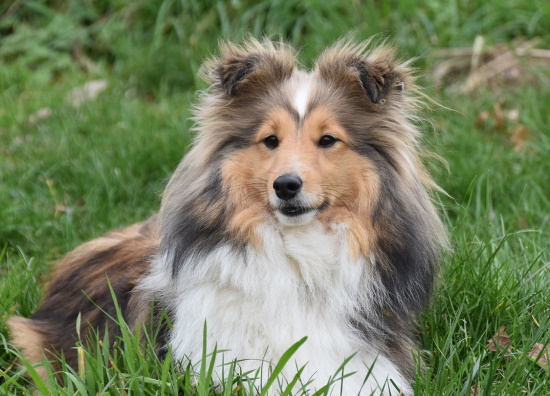
Sheltie dogs are considered one of the smartest breeds among the dogs listed in the herding dog group. They are totally enthusiastic about their work and are excellent when it comes to the job of herding both cattle and sheep.
This breed was originally called the
Shetland Collie and take their name from the Shetland Islands, off the north coast of
Scotland. Today their official name is the Shetland Sheepdog.
The Shetland Islands are known for their miniature animals, both ponies and sheep - these may
have also included smaller collie dogs. It is speculated that the Sheltie was developed as a
much smaller, look-alike to the Collie, though it is a distinctly separate breed.
The
Sheltie was brought to England at the end of the 19th century where it continues to be a
very popular dog.
Sheltie dogs are a relatively small breed though quite sturdy, well-balanced and very symmetrical in appearance.
They have full rich looking coats and an expression that is one of the most gentle and sweetest of any breed.
Characteristics of Sheltie Dogs
Sheltie dogs have a personality that is both gentle and intensely loyal. They make well-mannered adorable family companions and are highly regarded for their intelligence and willingness to be trained.
The Sheltie, while being very affectionate and devoted to owners, is reserved around strangers. For this reason, it is recommended that this dog breed be well-socialized from an early age, being exposed to a wide variety of situations, sounds, other pets and people.
Sheltie dogs have a bit of a reputation as barkers which is not surprising for herding dogs. But another reason is that they are shy dogs and barking is a protective instinct. However, given their extremely high intelligence, a sensitive and experienced owner can work wonders to train them as a watchdog where they can use this natural behavior in a limited way.
Competitive dog sports such as agility and obedience are good outlets for the mental and physical abilities of this breed, but they are also adaptable to an owners lifestyle. It is however, a joyful pleasure for a Sheltie to have a opportunity to run free on occasion. They love to play and like games that are more challenging. Training needs to be gentle, yet firm.
Physical Stats And Care
Height: 13-16 inches
Weight: There is no precise weight standard. Some authorities cite 14-16 pounds, while others indicate a range of 12-18 pounds.
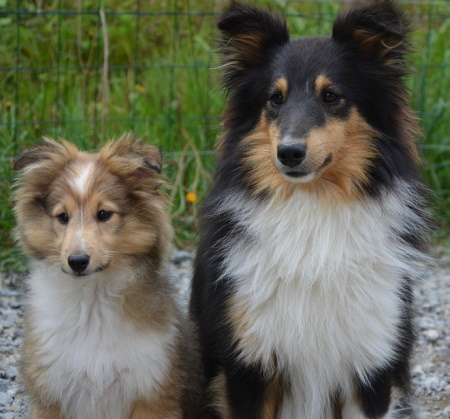
Coat colors: Colors are seen in sable, blue merle, tricolor, black/white, and black/tan. The degree of white varies individually.


Guide To The Breed
Sheltie dogs have a long double coat comprising a rough outer coat which sits atop a soft woolly undercoat. The rough coat is water resistant and the undercoat provides good insulation for protection in both hot and cool climates.
The coat needs to be brushed thoroughly about twice a week depending on the level of outdoor involvement with the terrain. Look for mats around the ears and behind the legs.
Spring and Fall are the normal shedding seasons when more frequent grooming is needed. The FURminator deShedding Tool is an excellent year-round grooming aid for removing dead and loose hair.
Health Notes
In general, Sheltie dogs do not have many health problems, except for some inherited tendency toward diseases of the eye, for which they should be tested.
Skin allergies may also affect some of the lines.
Are Shelties Very Active?
Shelties are very agile with lots of energy and stamina, though there are some that are more sedentary.
As previously mentioned, agility training, flyball, or herding are great exercise for this breed, as well as activities in which they can excel.
Daily walks are not only in this breed's best interest, but also keeps them more mellow and less inclined to bark excessively or develop other undesirable behaviors.
Ideal Living Space
Sheltie dogs can adapt to any accommodation or settings. Rural or suburban will work, although a yard is always nice to have for a breath of air or a little playtime.
A yard also provides a good place for
training.
The Sheltie With Children?
This breed has a very good reputation in regard to being playmates for children, though they do best if they are raised with them.
Caution should be taken if an owner is considering bringing an older Sheltie dog into a family with children, particularly young children.
No matter what age a child may be, the best policy is to always have an adult closely supervise activities between pets and children.
Seniors Or Less Active Families?
Shelties can be very devoted companions to the elderly. However, this dog breed does need to get some regular exercise.
Providing this need can be met, he will be a joy to have around.
Read What Others Say About The Sheltie

Click Here
to read what visitors to the website
have to say about the popular Shetland Sheepdogs.
Further Reading
 
|
 
|
